
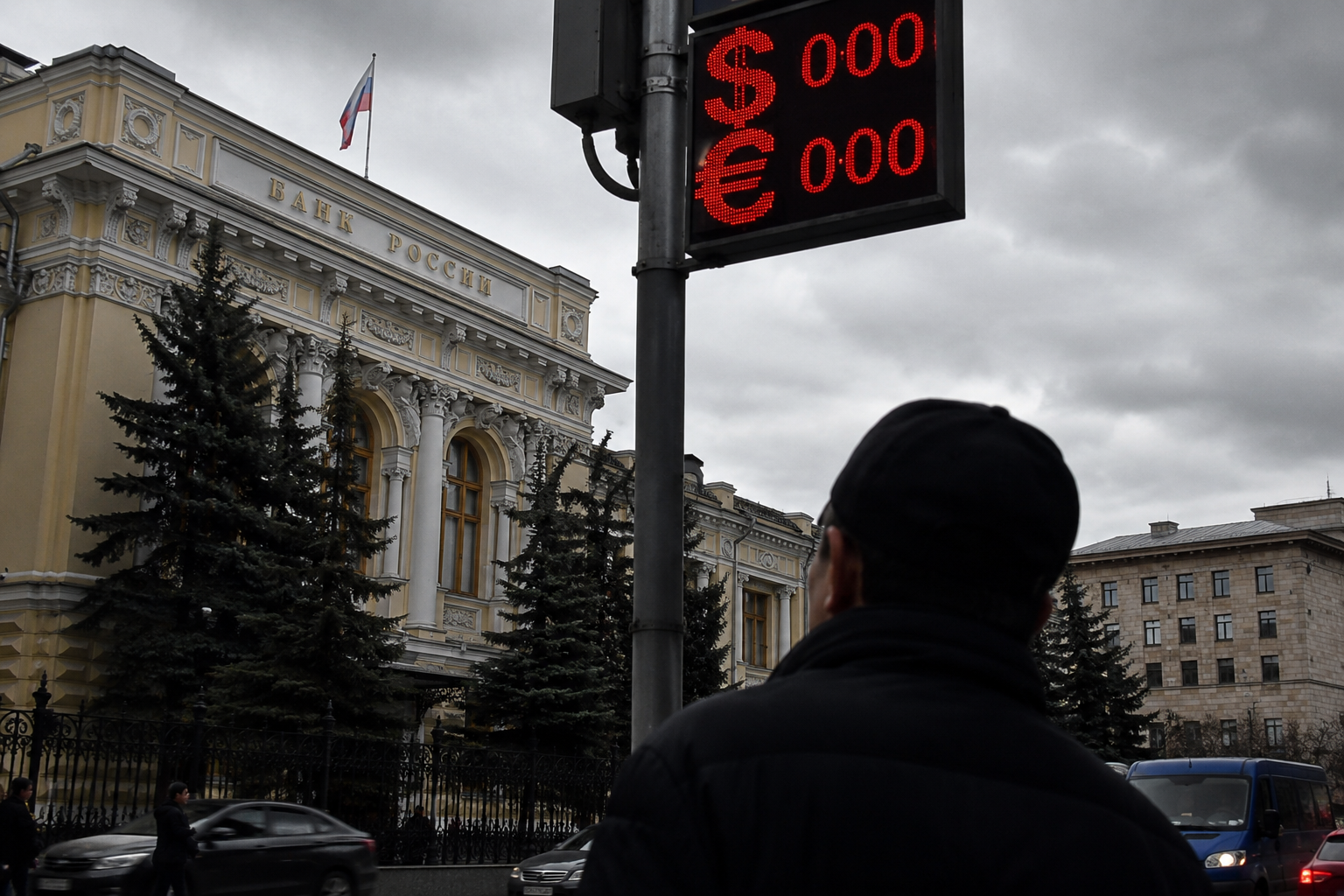
Russia will resume buying foreign currency on the market for the first time since before the start of the war in Ukraine, according to a statement from the Finance Ministry, as higher oil prices linked to the US war with Iran begin supporting state revenues.
As cited in a Reuters report, the ministry said it will purchase 110.3 billion roubles ($1.46 billion) worth of foreign currency, mainly Chinese yuan, between May 8 and June 4 for the National Wealth Fund, which is used to stabilise the federal budget.
The move is also expected to prevent the rouble from strengthening excessively.
The purchases will be conducted by the central bank.
After accounting for the central bank’s own operations, the state’s net foreign currency purchases are expected to total 1.18 billion roubles per day, compared with current daily sales of 4.6 billion roubles.
Budget rule drives forex operations
Under Russia’s budget rule, the government buys foreign currency for the National Wealth Fund when oil revenues exceed a predetermined cut-off price.
The current threshold is set at $59 per barrel.
When oil prices fall below that level, the government sells foreign currency from the fund to help cover budget shortfalls.
The Finance Ministry suspended the fund’s operations in February due to low prices for Russian oil, which had been pressured by sanctions-related discounts.
Officials said the suspension was intended to prevent depletion of the wealth fund.
However, analysts later questioned the logic behind the move after oil prices surged following the closure of the Strait of Hormuz.
The shutdown came after the United States and Israel attacked Iran on February 28, causing global oil prices to rise sharply.
Some analysts argued that the suspension kept the rouble overvalued during a period of elevated oil revenues.
Deferred transactions to soften market impact
The Finance Ministry said it would also account for deferred transactions from March and April when calculating purchase volumes for May, as reported by Reuters.
According to the ministry, deferred sales from March when the government would otherwise have sold foreign currency will offset part of the new purchase volumes.
Officials said this approach would help soften the overall market impact of the renewed forex buying programme.
The latest operations signal a shift in Russia’s fiscal position after months of pressure from weaker oil prices and sanctions-related market distortions.
Oil and gas revenues remain below year-ago levels
Separate data published by the Finance Ministry on Wednesday showed that Russia’s oil and gas revenues fell 21.2% year-on-year in April to 855.6 billion roubles ($11.32 billion).
Despite the annual decline, revenues improved from March levels, when oil and gas income stood at 617 billion roubles.
The rebound in monthly revenues comes as higher global crude prices begin feeding into Russia’s export earnings, even as the country continues to face sanctions-linked discounts on its oil exports.
The renewed foreign currency purchases suggest authorities now expect stronger energy revenues to continue supporting the budget in the near term.
The post Russia resumes forex purchases as oil price windfall boosts revenues appeared first on Invezz